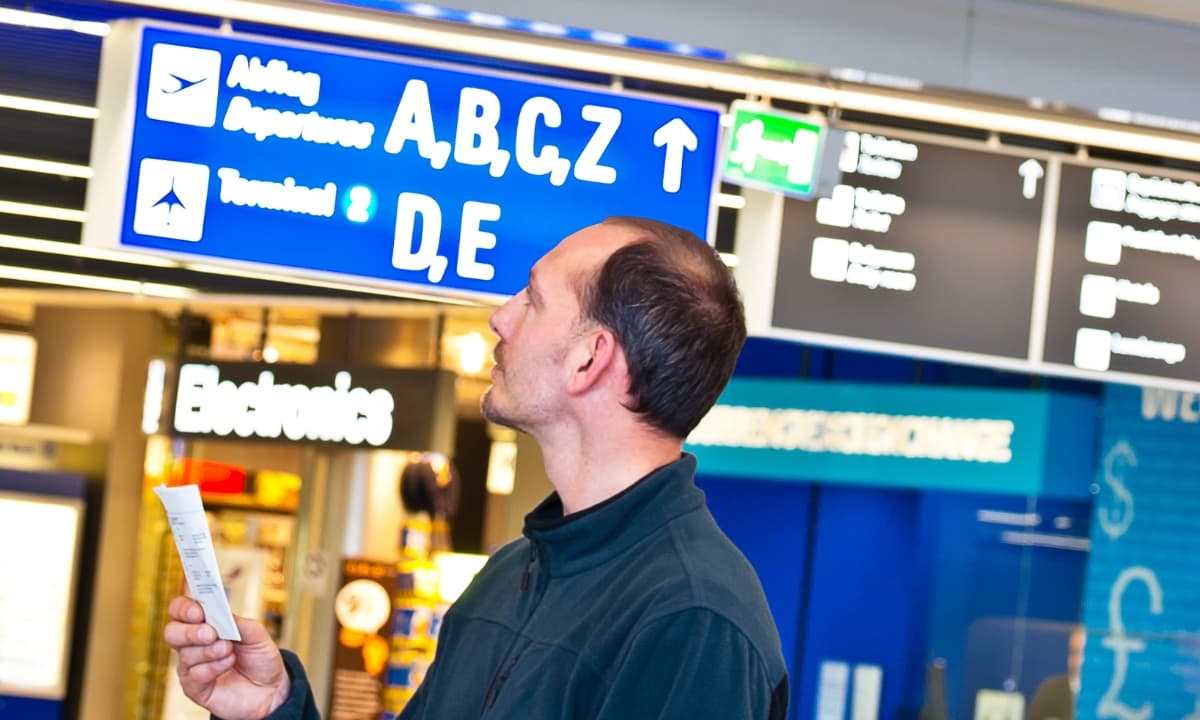
Quick Answer
The best way to avoid missing a connecting flight is to book an itinerary with sufficient layover time, monitor your flight status, understand baggage transfer procedures, and stay informed about gate changes. Good planning greatly reduces the risk of missing your next flight.
Connecting flights are often the most affordable and convenient way to reach destinations that don't have direct air service. However, short layovers, flight delays, unfamiliar airports, and lengthy security procedures can quickly turn an enjoyable trip into a stressful experience.
Whether you're flying domestically or internationally, understanding how connecting flights work can save you time, money, and unnecessary frustration. This guide shares practical tips that experienced travelers use to navigate connections confidently and avoid missing their next flight.
Key Highlights
Travel Tips
Choose A Comfortable Layover Time
One of the most common reasons travelers miss connecting flights is choosing an itinerary with a very short layover. Although a 45-minute connection may seem sufficient, even a small delay can cause you to miss your next flight. Allowing extra time gives you greater flexibility, especially at busy airports.
- Choose longer layovers at major airports
- Allow extra time during peak travel seasons
- Plan two to three hours for international transfers
- Consider immigration and customs procedures
- Account for additional security screening
- Reduce unnecessary travel stress

Understand Your Baggage Transfer Process
Before your journey begins, confirm whether your checked baggage will automatically transfer to your final destination. On certain international routes, passengers must collect their luggage, clear customs, and check it in again before boarding their connecting flight.
- Ask about baggage transfers during check-in
- Keep baggage claim tags safe
- Know whether baggage re-check is required
- Travel light whenever possible
- Carry valuables in your cabin bag
- Clearly label all checked luggage
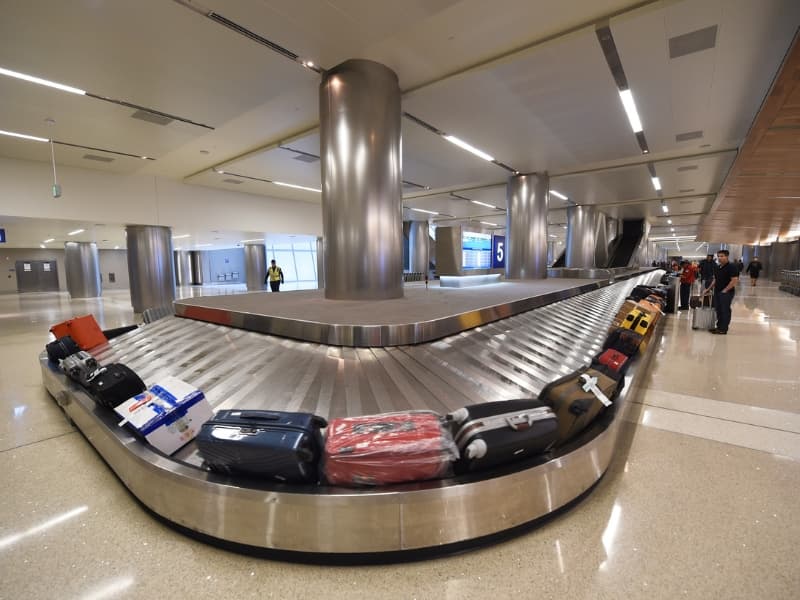
Monitor Flight Status Throughout Your Journey
Flight schedules may change due to weather conditions, air traffic congestion, or operational issues. Monitoring your flight regularly allows you to respond quickly to gate changes, delays, or schedule updates before they affect your connection.
- Enable airline app notifications
- Check airport information displays
- Watch for gate changes
- Keep your boarding pass accessible
- Stay close to your departure gate
- Speak with airline staff if delays affect your itinerary

"A well-planned connection transforms a stressful airport transfer into a smooth and enjoyable travel experience."
Is It Worth It?
For First-Time Travelers
Learn practical strategies for navigating connecting flights confidently, even when traveling through large international airports.
For Frequent Flyers
Discover efficient ways to manage airport transfers, stay updated on flight changes, and minimize travel disruptions.
Final Thoughts
Missing a connecting flight can disrupt your itinerary and create unexpected expenses, but proper preparation significantly reduces the risk. Choosing suitable layover times, understanding baggage procedures, monitoring flight updates, and staying organized will help ensure a smoother travel experience. A little planning before departure can make every connection stress-free and enjoyable.
Frequently Asked Questions
How much layover time is recommended for connecting flights?
A layover of around 90 minutes is generally comfortable for domestic flights, while international connections typically require at least two to three hours.
What happens if I miss my connecting flight because of a delay?
If both flights are booked on the same itinerary and the delay is covered by the airline's policy, the airline will usually help arrange an alternative flight.
Do I need to collect my baggage during a connecting flight?
It depends on your airline, destination, and route. Some itineraries transfer baggage automatically, while others require passengers to collect and re-check their luggage.
Should I always choose the shortest layover?
Not necessarily. A slightly longer layover provides more flexibility in case of delays and reduces the chances of missing your connection.
How can I quickly find my departure gate?
Use your airline's mobile app, airport information displays, and terminal maps immediately after landing to locate your next departure gate.