Quick Answer
Airspace restrictions can force airlines to change flight routes, resulting in longer travel times, increased fuel consumption, delays, schedule adjustments, and higher operating costs. While inconvenient, these measures are primarily designed to ensure passenger and crew safety.
Most travelers never think about airspace until a flight gets delayed or takes a longer route than expected. I first became curious about the topic after tracking a flight that suddenly changed course midway through the journey. The reason wasn't weather—it was a temporary airspace restriction.
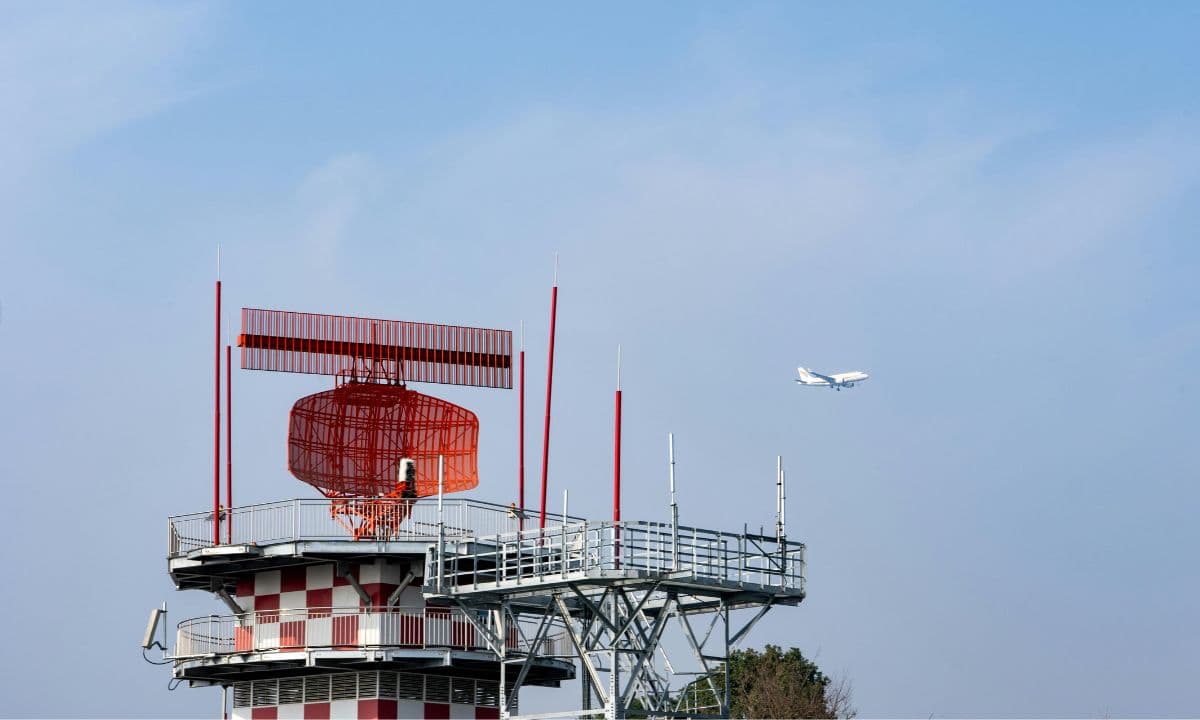
Modern aviation depends on carefully coordinated airspace systems, but not every region is always available for civilian aircraft. Security concerns, military activity, political conflicts, and severe weather can all lead to temporary closures.
Understanding how airspace restrictions affect flights can help travelers better understand delays, rerouting decisions, and unexpected schedule changes during international travel.
Key Highlights
Travel Tips
Why Airspace Restrictions Occur
Airspace restrictions are usually introduced to protect aircraft and passengers. Governments and aviation authorities may temporarily close or limit access to certain regions because of military exercises, political tensions, security threats, severe weather, or emergency situations. While these restrictions can disrupt travel plans, passenger safety always remains the top priority.
- Military operations and exercises
- Political conflicts and tensions
- Security-related concerns
- Severe weather events
- Natural disasters
- Emergency situations

How Airlines Respond To Airspace Closures
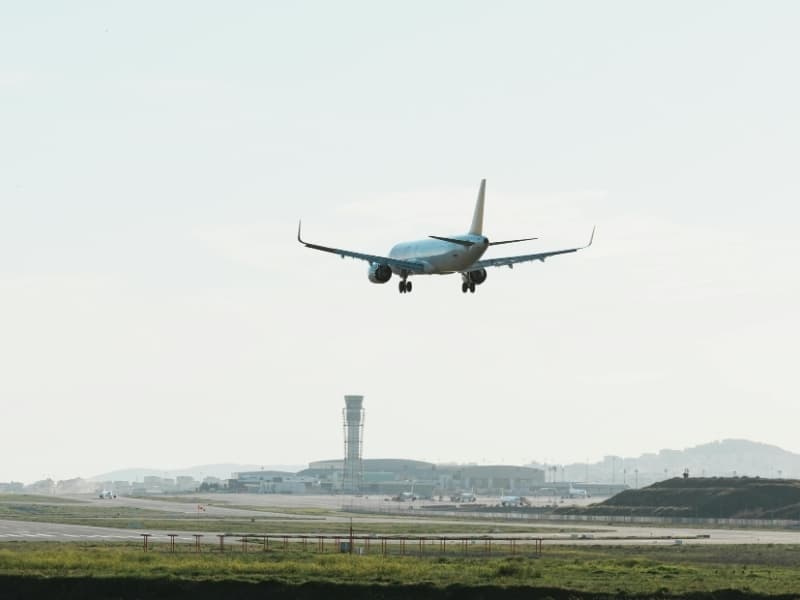
When a route becomes unavailable, airlines must quickly create alternative flight paths. I've noticed that many passengers assume delays are caused by technical issues, but rerouting due to airspace restrictions is often the real reason. These changes may add hundreds of kilometers to a journey and require additional fuel planning and crew adjustments.
- Alternative flight routing
- Longer flight distances
- Additional fuel requirements
- Schedule modifications
- Operational planning changes
- Crew management adjustments
Impact On Travelers
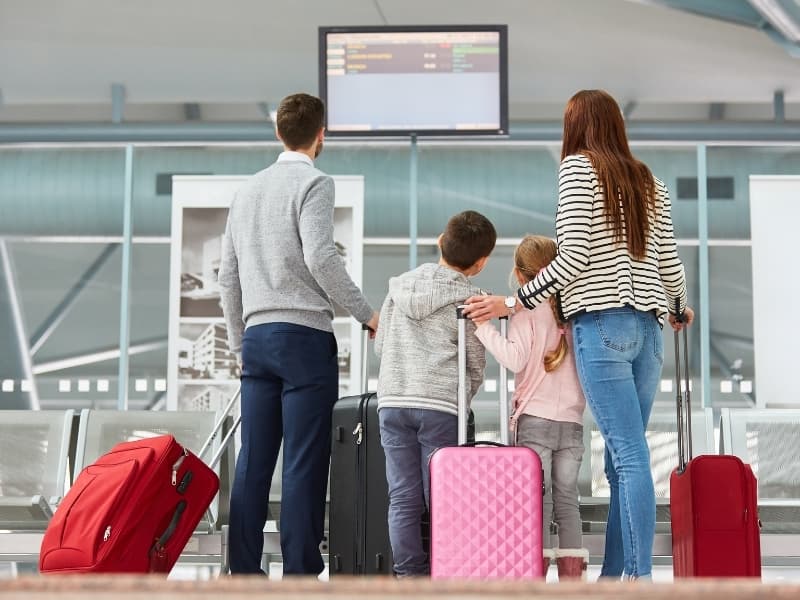
For passengers, the effects are usually seen through delays, longer flight times, missed connections, or last-minute schedule changes. During major airspace disruptions, airlines may also adjust departure times or rebook passengers onto alternative services. Understanding these situations helps travelers manage expectations and prepare accordingly.
- Flight delays
- Extended travel times
- Missed connecting flights
- Schedule adjustments
- Possible fare increases
- Travel uncertainty
Do Airspace Restrictions Affect Ticket Prices?
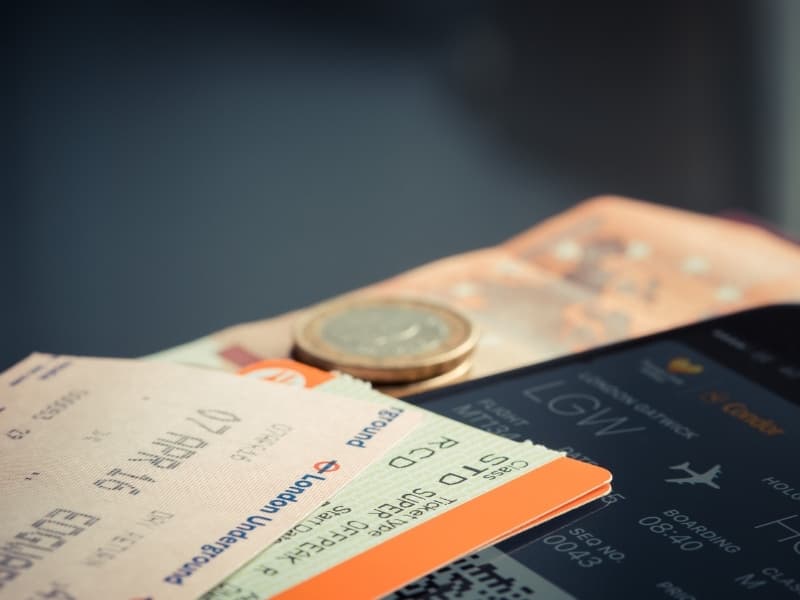
In some situations, longer routes increase airline operating costs because aircraft consume more fuel and spend additional time in the air. While passengers may not notice immediate price changes, prolonged airspace restrictions can influence airline costs and eventually impact airfare pricing on certain routes.
- Higher fuel consumption
- Increased operating expenses
- Longer aircraft utilization
- Potential impact on ticket prices
"Sometimes the longest part of a journey isn't the destination—it's the route an airline must take to get there safely."
Is It Worth It?
For Travelers
Understanding airspace restrictions helps passengers prepare for delays, rerouting, and schedule changes during travel.
For Aviation Enthusiasts
Airspace management offers insight into how airlines and aviation authorities maintain safety across global flight networks.
Final Thoughts
Airspace restrictions are an important part of global aviation safety, even though they can sometimes disrupt travel plans. From a passenger's perspective, delays and rerouting may be frustrating, but these decisions are made to protect aircraft, crew, and travelers. Knowing how airspace closures affect flights can make unexpected changes easier to understand and manage.
Frequently Asked Questions
What are airspace restrictions?
Airspace restrictions are limitations placed on aircraft operations within specific regions for safety, security, military, or operational reasons.
Why do airlines reroute flights?
Airlines reroute flights to avoid restricted or potentially unsafe airspace while maintaining passenger safety.
Can airspace restrictions cause flight delays?
Yes. Longer routes, operational adjustments, and air traffic congestion can result in delays and schedule changes.
Do airspace closures affect ticket prices?
In some cases, increased fuel and operating costs caused by longer routes may influence airfare pricing.
How can travelers stay updated?
Passengers should monitor airline notifications, flight tracking apps, and official travel advisories for the latest updates.