
Quick Answer
Airport security screening is a mandatory process that helps keep air travel safe. Passengers and baggage are screened for prohibited items, and being prepared before reaching security can make the experience much faster and less stressful.
If you've ever stood in a long airport security line wondering why some passengers move through quickly while others get delayed, preparation is usually the difference. After dozens of flights, I've learned that understanding airport security rules beforehand can save a surprising amount of time.
Whether you're a first-time traveler or a frequent flyer, security screening is a part of every journey. Knowing what to pack, what to remove from your bag, and which items are restricted can help you avoid unnecessary delays.
This Airport Security Screening Guide explains how security checks work, cabin baggage rules, liquid restrictions, electronics screening, and practical tips to help you pass through checkpoints smoothly.
Key Highlights
Travel Tips
How Airport Security Screening Works
Airport security screening is designed to identify prohibited items and protect passengers, crew, and aircraft. In most airports, travelers first verify their identity and boarding pass before sending cabin baggage through X-ray machines. Passengers then pass through metal detectors or body scanners. Depending on the airport and destination, additional checks may occasionally be required.
- Identity and document verification
- Boarding pass inspection
- Cabin baggage X-ray screening
- Metal detector or body scanner checks
- Random additional inspections
- Security staff assistance when required
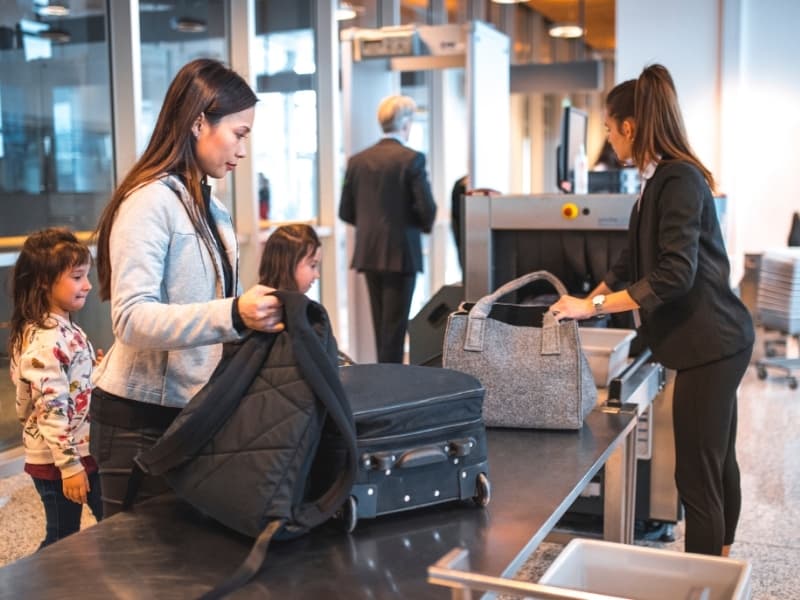
Cabin Baggage And Liquid Rules
One of the most common reasons travelers face delays at security is carrying restricted liquids or prohibited items. Before every trip, I quickly review the airline's cabin baggage rules to avoid surprises. Liquids, gels, aerosols, and sharp objects are subject to strict regulations, especially on international flights.
- Follow airport liquid restrictions
- Keep toiletries organized
- Carry medicines separately if required
- Check airline cabin baggage policies
- Avoid restricted sharp objects
- Review international security regulations
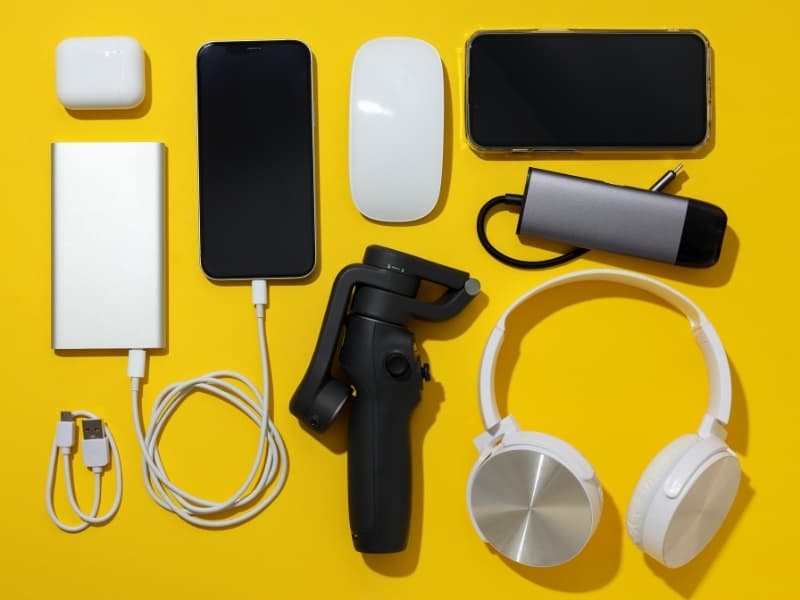
Electronics And Personal Items Screening
Laptops, tablets, cameras, and other large electronic devices often receive additional screening. Many airports require these items to be removed from bags before scanning. Keeping electronics accessible and fully charged can help avoid delays during inspection.
- Remove laptops when requested
- Keep power banks in cabin baggage
- Ensure electronic devices can be switched on
- Follow airport screening instructions
- Protect valuables in carry-on luggage
- Avoid carrying restricted batteries
Common Items That Cause Delays
Over the years, I've noticed that the same items frequently slow down security lines. Large liquid containers, forgotten pocket items, power tools, and prohibited sharp objects are among the most common reasons for additional screening. Taking a few minutes to check your bag before leaving home can prevent unnecessary delays.
- Oversized liquid containers
- Sharp objects in cabin baggage
- Unpacked electronics
- Forgotten items in pockets
- Restricted batteries
- Unapproved sporting equipment
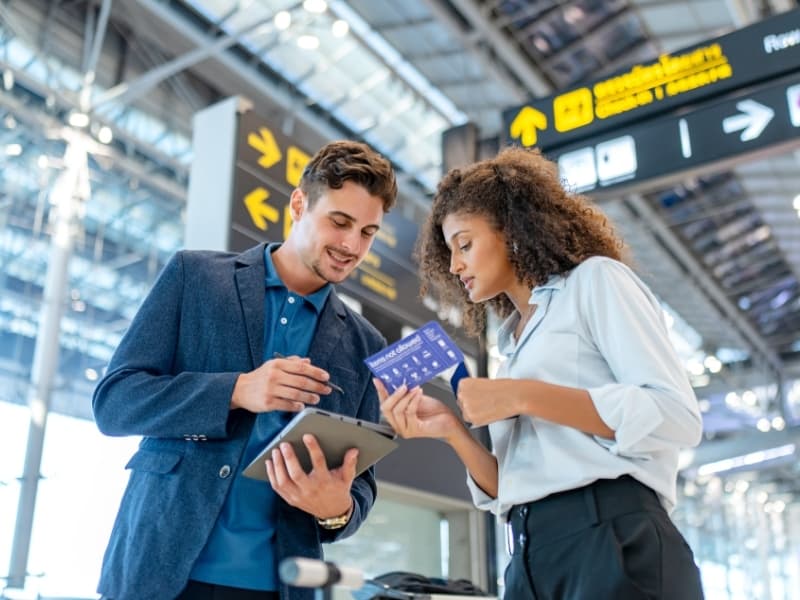
"The easiest way to get through airport security quickly is to be prepared before you reach the checkpoint."
Is It Worth It?
For First-Time Travelers
Understanding airport security procedures can reduce stress and make your first flight experience much smoother.
For Frequent Flyers
Knowing screening requirements helps experienced travelers move through checkpoints more efficiently.
Final Thoughts
Airport security screening is an essential part of modern air travel. While the process may sometimes feel inconvenient, it plays a vital role in keeping flights safe. From personal experience, arriving prepared, organizing your cabin baggage properly, and understanding security rules can make the entire airport journey faster and far less stressful.
Frequently Asked Questions
Why is airport security screening required?
Security screening helps identify prohibited items and ensures the safety of passengers, crew, and aircraft.
Can I carry liquids in cabin baggage?
Yes, but liquid quantities must comply with airport security regulations and airline policies.
Do laptops need separate screening?
Many airports require laptops and large electronic devices to be removed from bags during security checks.
What items are prohibited in cabin baggage?
Prohibited items typically include sharp objects, dangerous goods, certain batteries, and restricted substances.
How early should I arrive for security screening?
Most travelers should arrive at least 2 hours before domestic flights and 3 hours before international departures.